Most homeowners eventually notice the same pattern. One room in the house always seems manageable, while another feels messy again almost immediately after cleaning. The difference is rarely about effort alone. Some rooms naturally collect more moisture, debris, oils, and daily traffic than others.
Once those conditions combine, buildup develops much faster even when homeowners follow consistent cleaning routines. Many people assume the problem is that they are missing spots during cleaning. In reality, certain rooms create conditions that continuously attract dirt, clutter, and residue throughout the day.
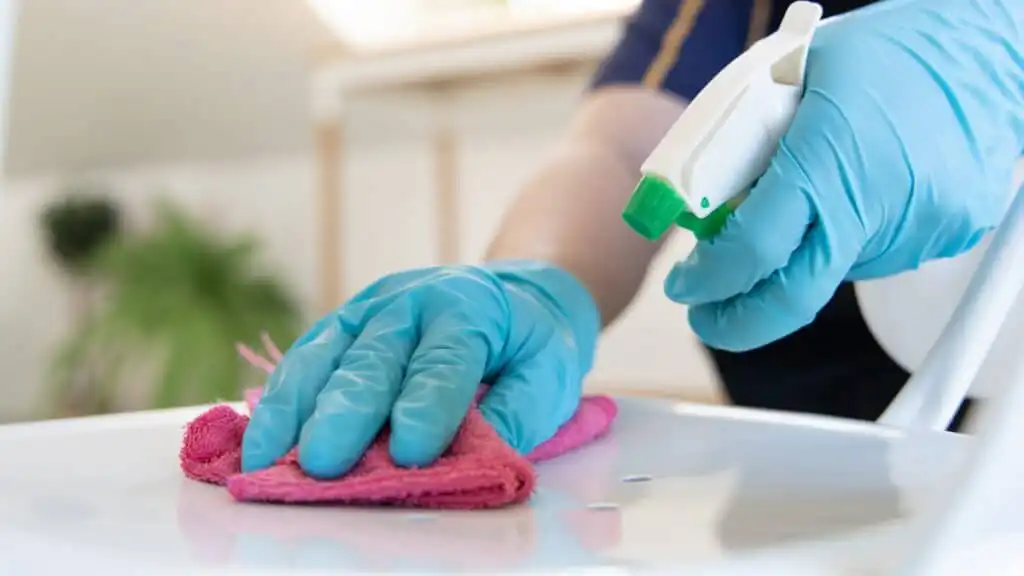
Why Kitchens Collect More Residue Than Most People Realize
Kitchens are one of the fastest-changing environments inside a home. Heat, moisture, grease, crumbs, and constant hand contact all happen in the same space repeatedly. Most people wipe visible spills but miss the invisible residue left behind after cooking. Oils released into the air during frying or baking settle onto cabinets, walls, and appliance surfaces slowly over time. Once dust sticks to that thin layer of grease, surfaces start feeling dirty much faster.
Refrigerator handles, cabinet edges, and light switches also collect buildup quickly because they are touched constantly throughout the day. Most homeowners clean counters regularly but overlook the smaller contact points that quietly accumulate oils and bacteria. Another overlooked issue is airflow. Kitchens with limited ventilation trap moisture and cooking particles longer, which allows grime to settle more aggressively around surfaces.
Why Bathrooms Never Stay Fresh for Long
Bathrooms deal with repeated moisture cycles every single day. Steam settles into grout lines, fabrics, corners, and ventilation areas where airflow often stays limited. Most people clean obvious surfaces like sinks and mirrors while missing slower buildup underneath the problem areas. Moisture around toilet bases, behind faucets, and inside shower corners creates ideal conditions for grime to spread quietly.
Most homeowners also underestimate how much damp fabrics affect bathroom freshness. Towels, bath mats, and shower curtains trap moisture repeatedly, especially in humid weather. Once fabrics stay damp too long, odors start developing even if the bathroom itself looks clean. This is one reason thorough maintenance matters more in moisture-heavy rooms. Hidden buildup usually develops gradually underneath normal daily use. A detailed top-to-bottom cleaning often removes residue from areas homeowners rarely reach during routine upkeep.
Why Entryways Create More Dirt Than Expected
Entryways control how much outdoor debris spreads into the rest of the home. Shoes bring in fine grit, pollen, moisture, grass, and sidewalk residue every time someone walks inside. Most people notice obvious dirt near the door but overlook the smaller particles that continue traveling deeper into the house. Fine debris settles into carpet fibers and floor seams where it slowly spreads through foot traffic.
Most homeowners vacuum entry areas too quickly as well. Slow overlapping vacuum passes remove significantly more grit because suction has time to pull particles from deeper inside flooring fibers. Another common problem is clutter buildup near entrances. Shoes, bags, coats, sports gear, and packages create crowded surfaces that become harder to clean thoroughly. Once entryways lose open space, dirt usually spreads faster into nearby rooms.
Why Bedrooms Start Feeling Dusty Faster Than Other Rooms
Bedrooms often collect more dust because they contain so many fabric surfaces. Bedding, curtains, rugs, clothing, and upholstered furniture all trap particles from the air continuously. Most people wash sheets regularly but overlook how much dust settles into headboards, under beds, and around fabric furniture edges. Air circulation also tends to move less effectively in bedrooms because doors stay closed longer than in common living spaces.
Ceiling fans contribute more buildup than many homeowners realize too. Dust collects on fan blades gradually, then redistributes through the room every time the fan runs. By the time homeowners notice visible dust, particles have usually been circulating for weeks. For homeowners who want extra help, recurring visits from our Arvada house cleaners can keep those smaller buildup areas from becoming overwhelming. Regular upkeep keeps dust, fabric residue, and clutter from quietly accumulating in rooms that are used daily.
What Makes Some Rooms Easier to Maintain Than Others
Rooms usually stay cleaner longer when they combine three things: low moisture, low traffic, and fewer cluttered surfaces. This is why formal dining rooms or guest rooms often feel easier to manage. They simply experience less repeated activity throughout the day.
High-traffic rooms require a different mindset. Waiting until they look dirty usually means buildup has already spread deeper than expected. Smaller maintenance habits tend to work much better than occasional large cleaning sessions. Most people think certain rooms are impossible to keep clean. In reality, those spaces simply accumulate buildup faster because of how they are used. Once homeowners understand what causes the buildup, maintenance becomes far more manageable.
FAQ
Why do kitchens get dirty so quickly?
Kitchens collect grease, moisture, crumbs, and constant hand contact throughout the day. Cooking oils also settle onto surfaces slowly, which allows dust and residue to build much faster.
Why do bathrooms lose freshness even after cleaning?
Bathrooms experience repeated moisture buildup from showers, towels, and limited airflow. Damp fabrics and hidden moisture areas often allow odors and grime to return quickly.
What room collects the most dust in a home?
Bedrooms usually collect significant amounts of dust because they contain large amounts of fabric. Bedding, rugs, curtains, and clothing all trap airborne particles over time.
Why do entryways create so much mess?
Entryways bring outdoor debris directly into the home through shoes, bags, pets, and daily traffic. Fine grit and moisture often spread farther into the house than homeowners realize.
How often should high-traffic rooms be cleaned?
High-traffic rooms usually benefit from smaller maintenance cleaning several times per week. Consistent upkeep prevents dirt and residue from spreading into deeper surfaces.
Do recurring cleanings help problem areas stay manageable?
Recurring cleanings help interrupt buildup before it becomes overwhelming. Consistent maintenance is especially useful in kitchens, bathrooms, and entryways where residue develops quickly.
Some rooms naturally collect more moisture, traffic, and residue than others, which is why cleaning routines often feel uneven throughout the house. Understanding how buildup develops usually makes maintenance far easier and less frustrating over time. Summit Cleaning shares practical cleaning insights year-round.
We invite you to read these related articles:
- Common Household Spots Where Dirt Quietly Collects
- How to Keep Trail Dust From Taking Over Your Home in Arvada
- The Best Cleaning Checklists for Every Room in Your Home
Have a question before booking? Find our phone number and office hours on our Google Business Profile.